Scenes and events don’t have a meaning on their own. It’s the context of a story that gives these events any significance.
The difficult part in writing is in building the foundations earlier so the emotional resonance speaks through these scenes.
Scenes and events don’t have a meaning on their own. It’s the context of a story that gives these events any significance.
The difficult part in writing is in building the foundations earlier so the emotional resonance speaks through these scenes.
When it’s looked at from a distance we can try to make a narrative out of it but they’re numbers, just statistics. Every half-time break in sports we witness talking heads trying to make sense out of statistics in order to give us a story of the game – some better than others.
These numbers don’t have meaning. But stories do.
Read MoreThere was a point while he was writing Fight Club where Chuck Palahniuk came to realise that the two characters – the narrator and Tyler – were the same. It wasn’t a twist he’d thought of before writing. It wasn’t a gimmick to string the reader along. He was writing a damning commentary on masculinity as he saw it in the mid-1990s.
Read MoreThe power of your story depends on clearly locating your inciting incident.
The fundamentals of this are often misunderstood.
Story is about transformation. A story is in how a character changes. This change does not come easily but there is something that pushes the character out of their comfort to begin the journey.
Read MoreCollaboration is powerful because of these very reasons. Playing with ideas and perspective can be confronting, but going through that process can be exhilarating. It brings chills and goosebumps. It brings surprising results.
Read MoreWriting is a process that uncovers what you’re saying. There are times to do it quickly but there must also be moments of revision, reflection, rewriting. And this is slow, sometimes painfully slow.
But that process is worth doing. It uncovers more layers of the beauty around your story, your concept, your idea.
Read MoreStories are about risk.
The world shifts. Something is changed – for good or bad. The character reacts to this to either try to make things go back to how they were, or to make things better.
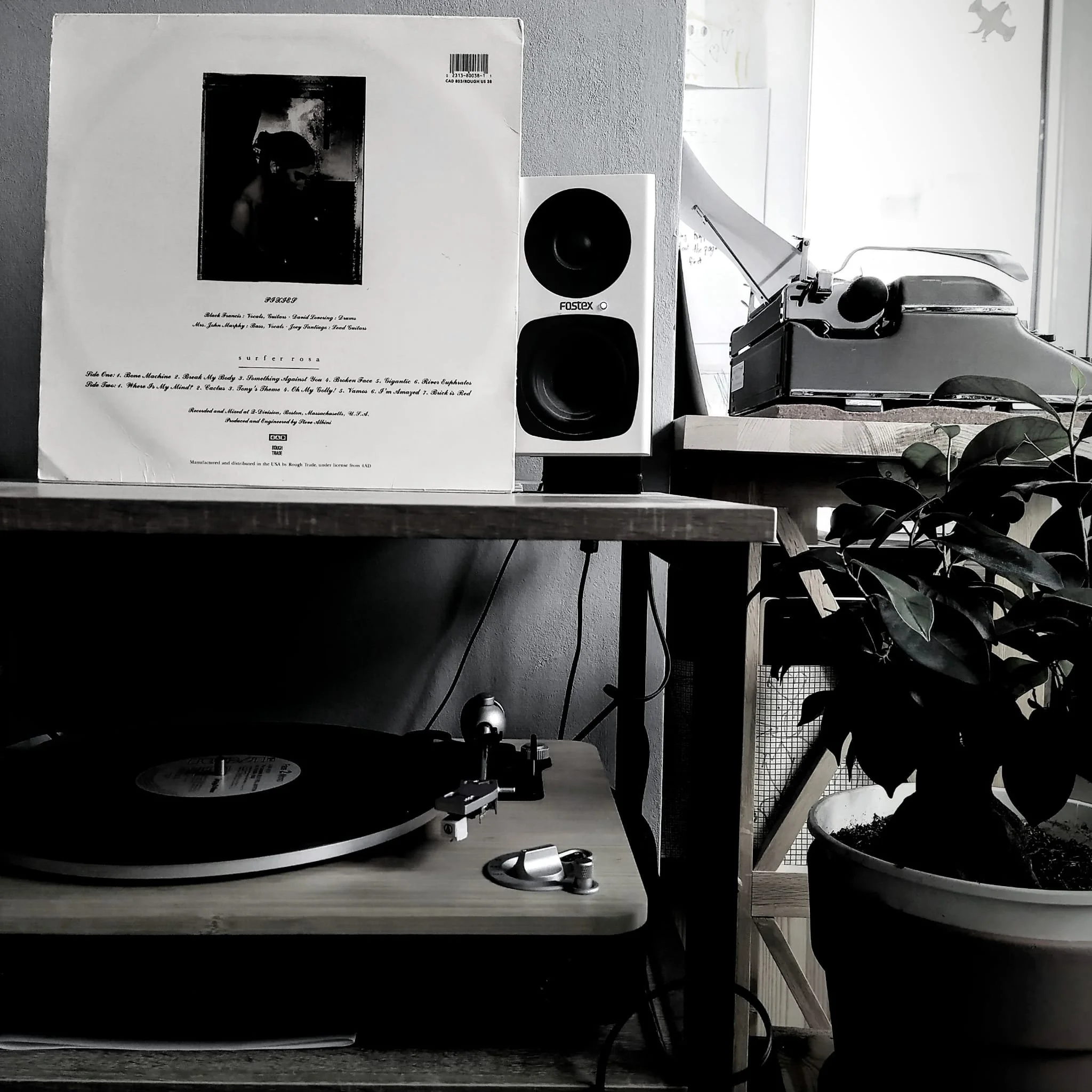
Read MoreSteve Albini – ““When I talk about recording an acoustic instrument, what I really mean is recreating the sense memory of having heard an acoustic instrument. I say that because acoustic instruments have an extremely long tradition. Every part of the world uses some form of acoustic stringed instruments, and we all have engrained in us personal and cultural memory of these instruments. So when I say I’m trying to make an accurate recording of an acoustic instrument, what I mean is I’m trying to evoke the sensation of having heard that instrument in life.””
Aristotle opens Poetics by describing poetry as a species of imitation. There are different ways to do that, different mediums and different ways. Painting, too, is imitation, Aristotle points out.
In our stories, that’s what we do. We imitate to recreate sense memory.
Read MoreThe ending of Ladri di Biciclette (Bicycle Thieves) is an amazing demonstration of rising emotion in film, and character shown through choice.
In the harsh conditions of Rome after WW2, Antonio finally lands a job. But he needs a bike and he already pawned his.
Read MoreBlues music has been a part of popular song on radio and streaming for all our life. We’ve heard countless songs based on the structure. We instinctively know where it rises and falls, where it changes, and where the turn around is. Story structure is similar.
Read MoreAs in marking a character in stone. So, a face that shows character shows that which has been marked. Or deeply impressed.
The term didn’t come to mean a person in a story until the late 1660s – a good fifty years after Shakespeare had, as he put it, shuffled off this mortal coil.
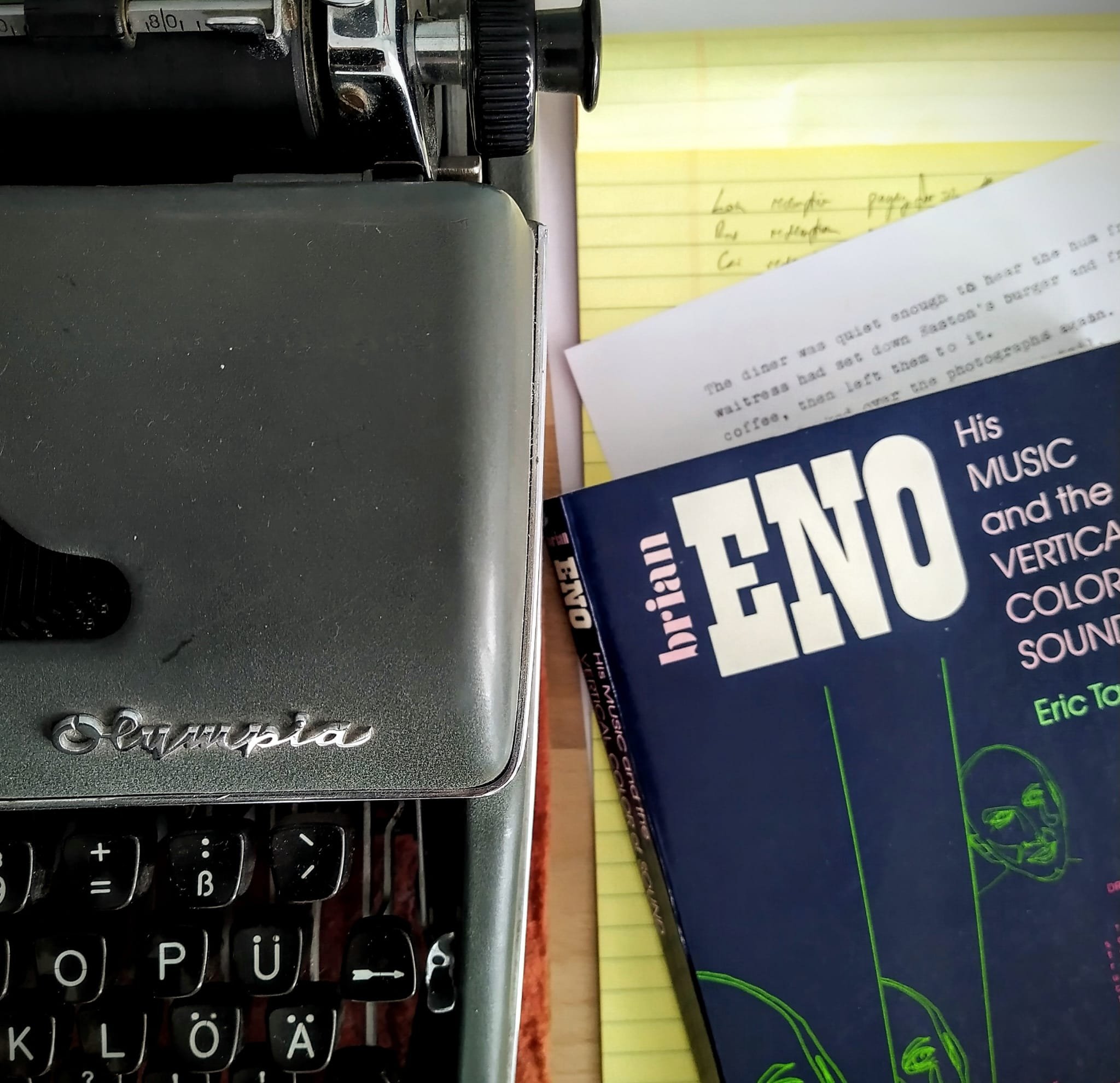
Read MoreBrian Eno has a card in his Oblique Strategies set suggesting: Whatever worked last time, never do it again.
That might be more extreme than we always need but the sentiment is a good one. Just because it worked last time doesn’t mean it would work again. And just because a client has one idea in mind with their story, it doesn’t mean that’s the best way to narrate their own journey.
Read MoreThe architecture and design of the building was held together in a particular way. The pressure and tension was held in places that you might not first assume. The architects knew this. A fractured window in one place meant the tension was wrong somewhere else. This is like a manuscript.
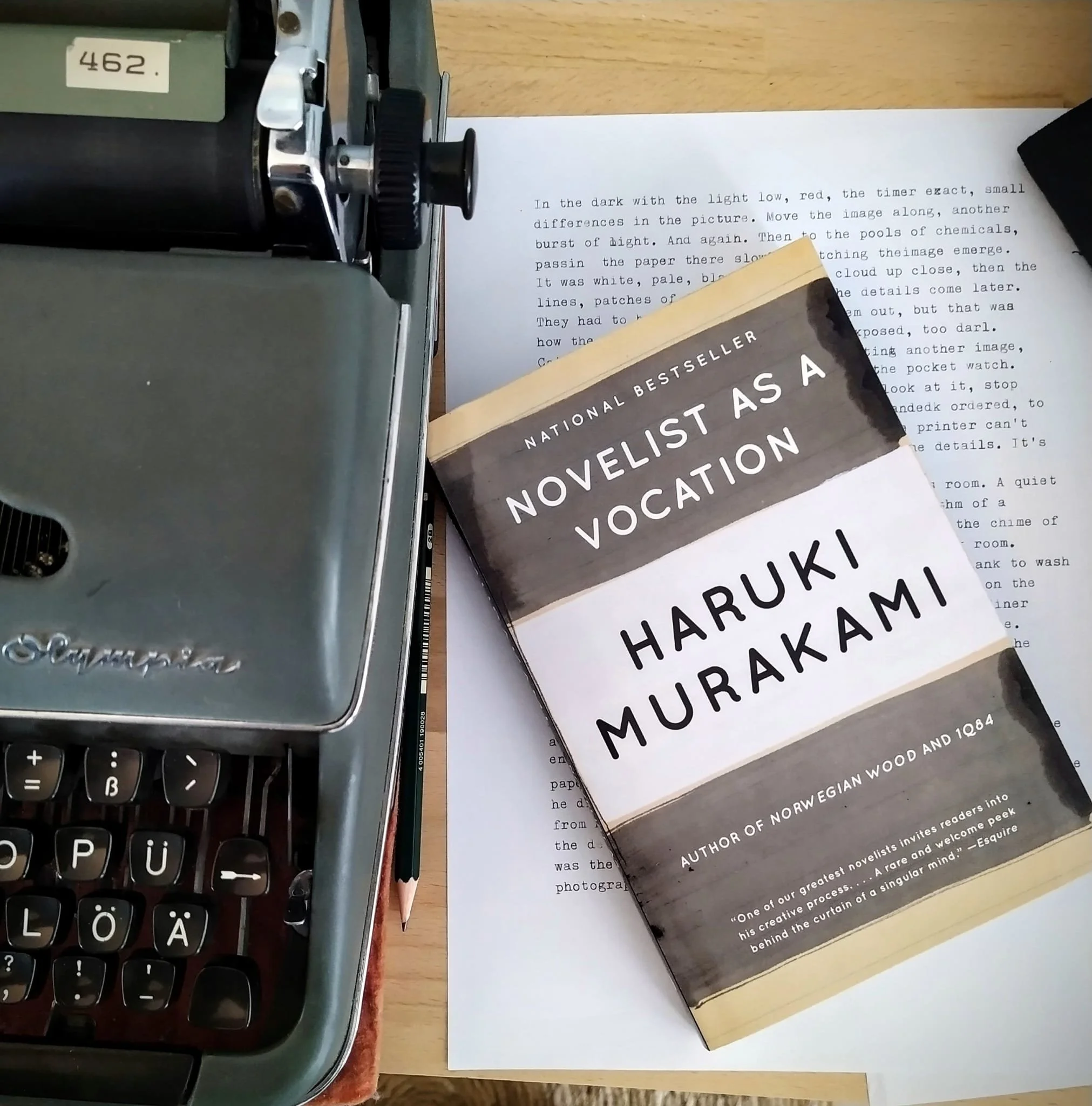
Read MoreHaruki Murakami describes how he takes feedback from his first reader – his wife – and his editors over the years.
Read MoreTrust yourself for creative decisions.
Read MoreEach step is charting what we know, taking another step, and seeing if that works.
Read MoreThe key to creating a captivating story in a memoir or piece of non-fiction is balancing the passages and sequences to build meaning and emotion in your story.
Read MoreTo write a book is an adventure. It’s a calling, taking you out of the safety of your daily life. Normal people don’t do this. It is a quest.
Read MoreGaps in expectation from the character and from the audience affect the character’s choices, the reader’s understanding of the character, or the perception of the story itself.
Read More