The Book Writing Blues
Blues music has been a part of popular song on radio and streaming for all our life. We’ve heard countless songs based on the structure. We instinctively know where it rises and falls, where it changes, and where the turn around is. Story structure is similar.
Read More
Marking Character
As in marking a character in stone. So, a face that shows character shows that which has been marked. Or deeply impressed.
The term didn’t come to mean a person in a story until the late 1660s – a good fifty years after Shakespeare had, as he put it, shuffled off this mortal coil.
Read More
Whatever Worked Last Time...
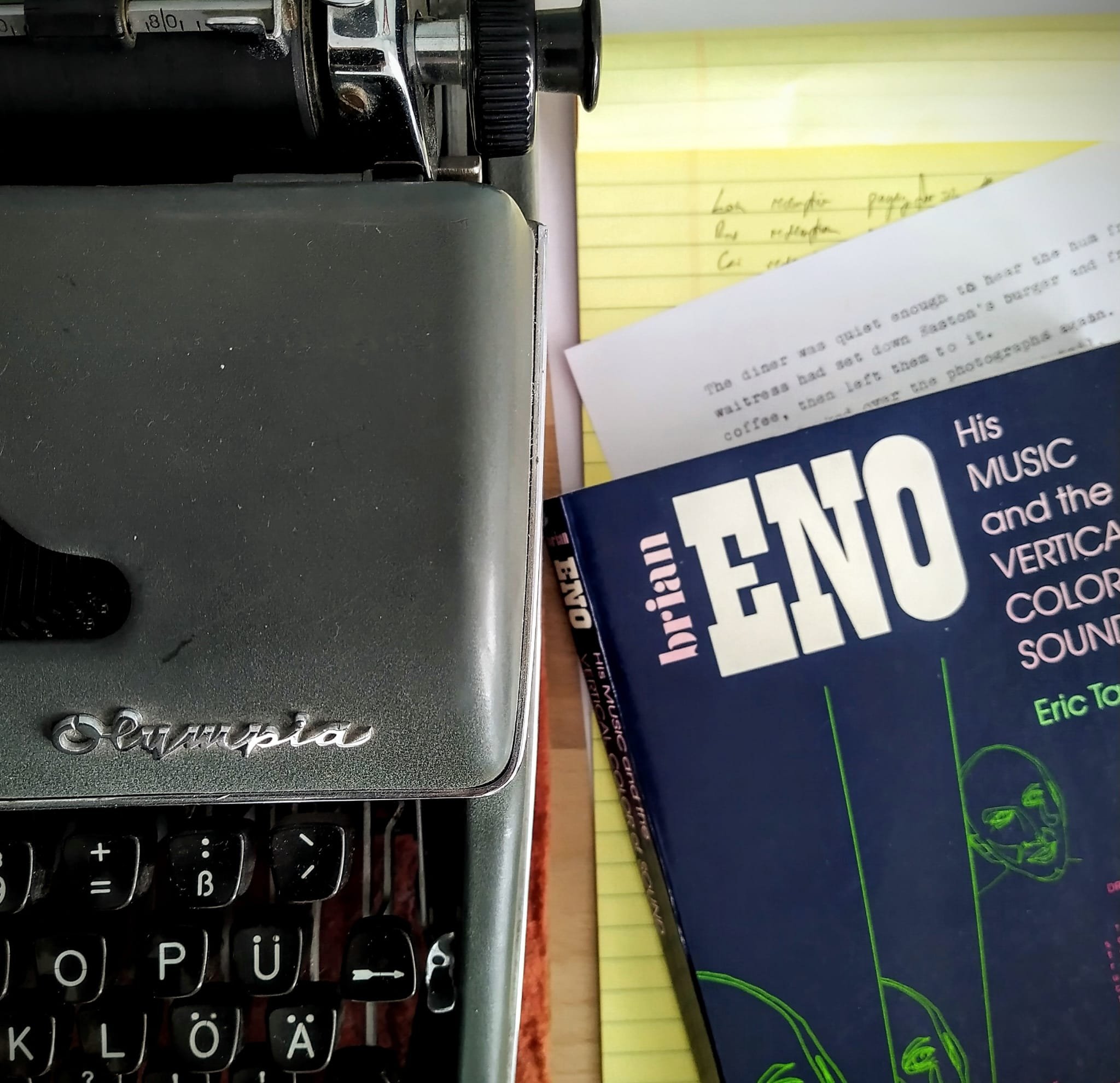
Brian Eno has a card in his Oblique Strategies set suggesting: Whatever worked last time, never do it again.
That might be more extreme than we always need but the sentiment is a good one. Just because it worked last time doesn’t mean it would work again. And just because a client has one idea in mind with their story, it doesn’t mean that’s the best way to narrate their own journey.
Read More
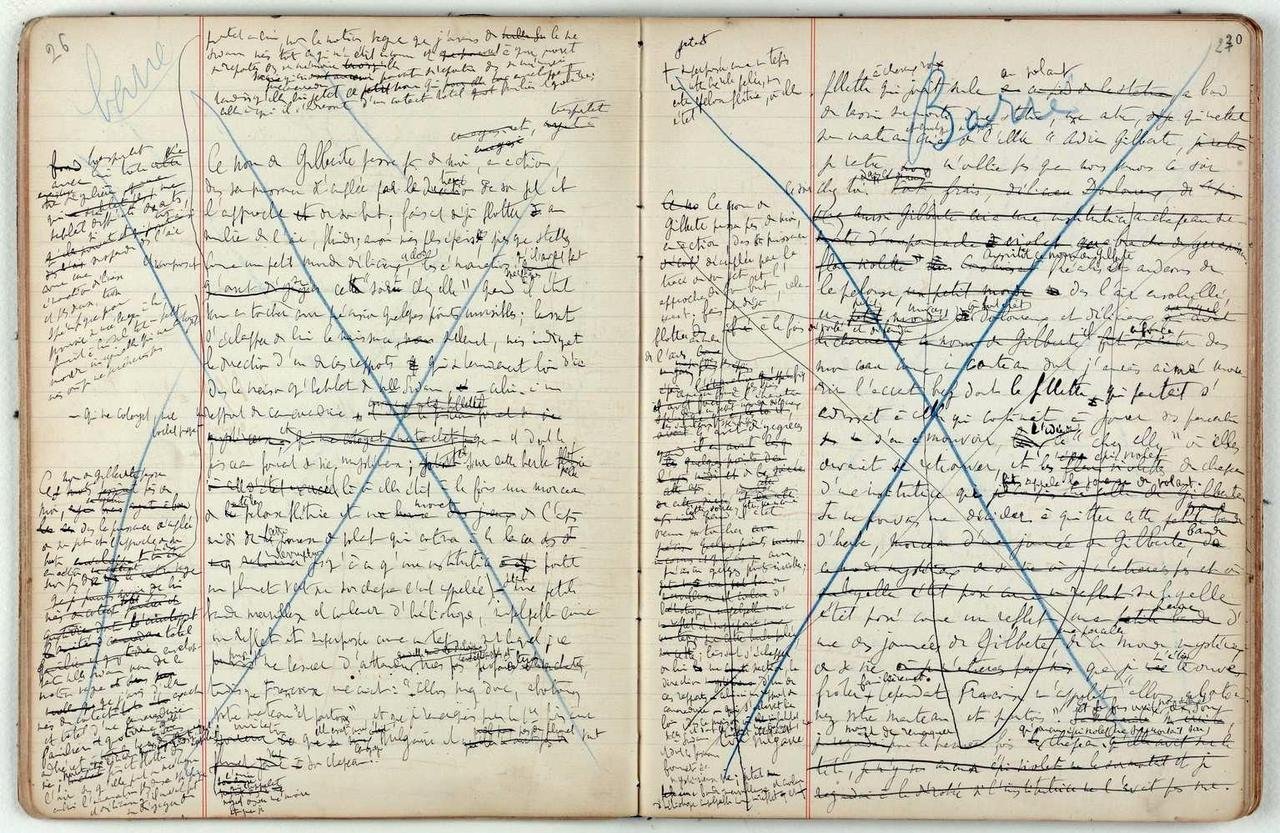
Structural Strength of Your Manuscript
The architecture and design of the building was held together in a particular way. The pressure and tension was held in places that you might not first assume. The architects knew this. A fractured window in one place meant the tension was wrong somewhere else. This is like a manuscript.
Read More
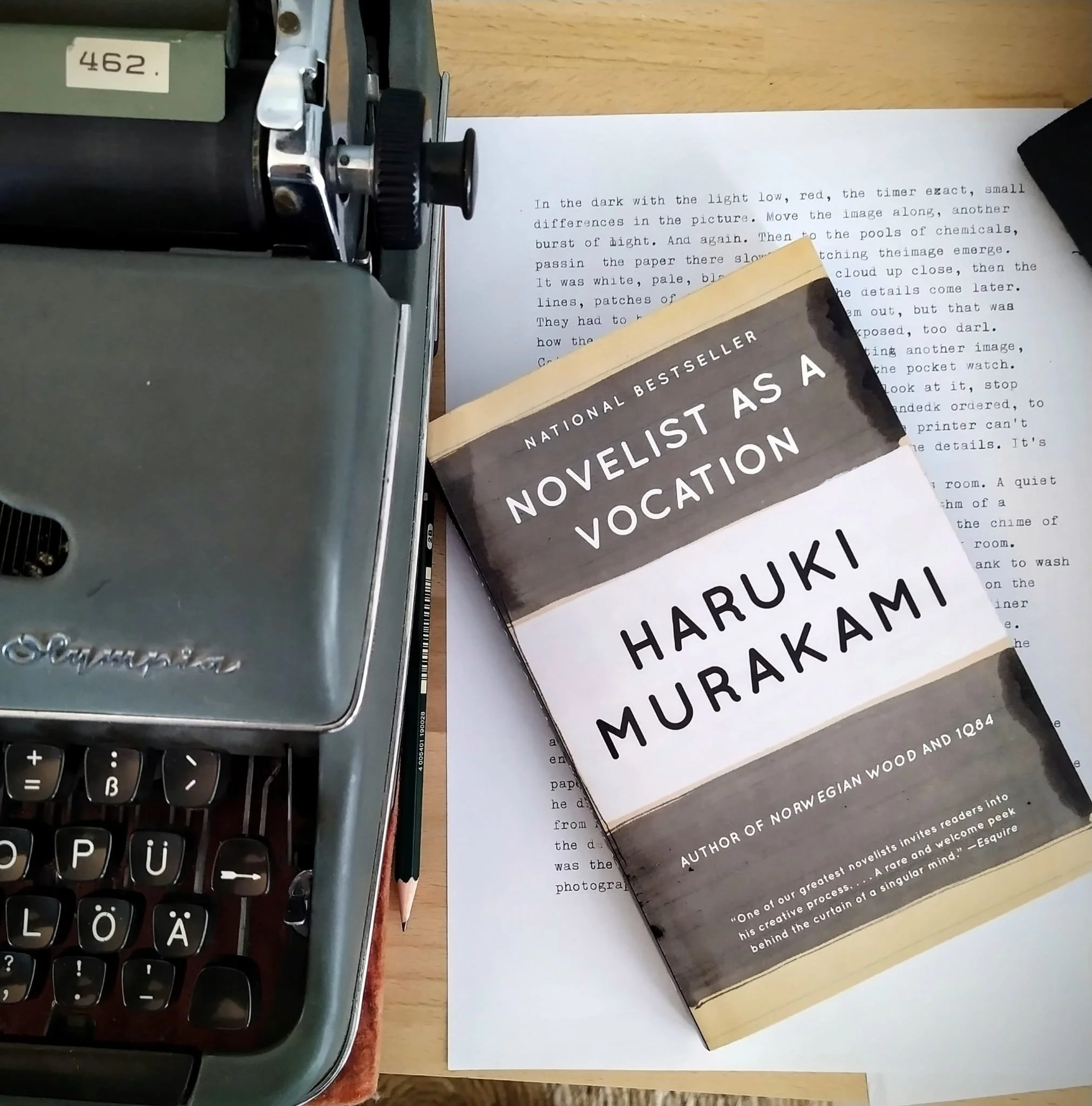
The Murakami Approach to Feedback
Haruki Murakami describes how he takes feedback from his first reader – his wife – and his editors over the years.
Read More
Human Over Machine
Trust yourself for creative decisions.
Read More
Charting the Story
Each step is charting what we know, taking another step, and seeing if that works.
Read More
What Can You Cut?
The key to creating a captivating story in a memoir or piece of non-fiction is balancing the passages and sequences to build meaning and emotion in your story.
Read More
The Journey of Writing
To write a book is an adventure. It’s a calling, taking you out of the safety of your daily life. Normal people don’t do this. It is a quest.
Read More
The Power of Gaps
Gaps in expectation from the character and from the audience affect the character’s choices, the reader’s understanding of the character, or the perception of the story itself.
Read More
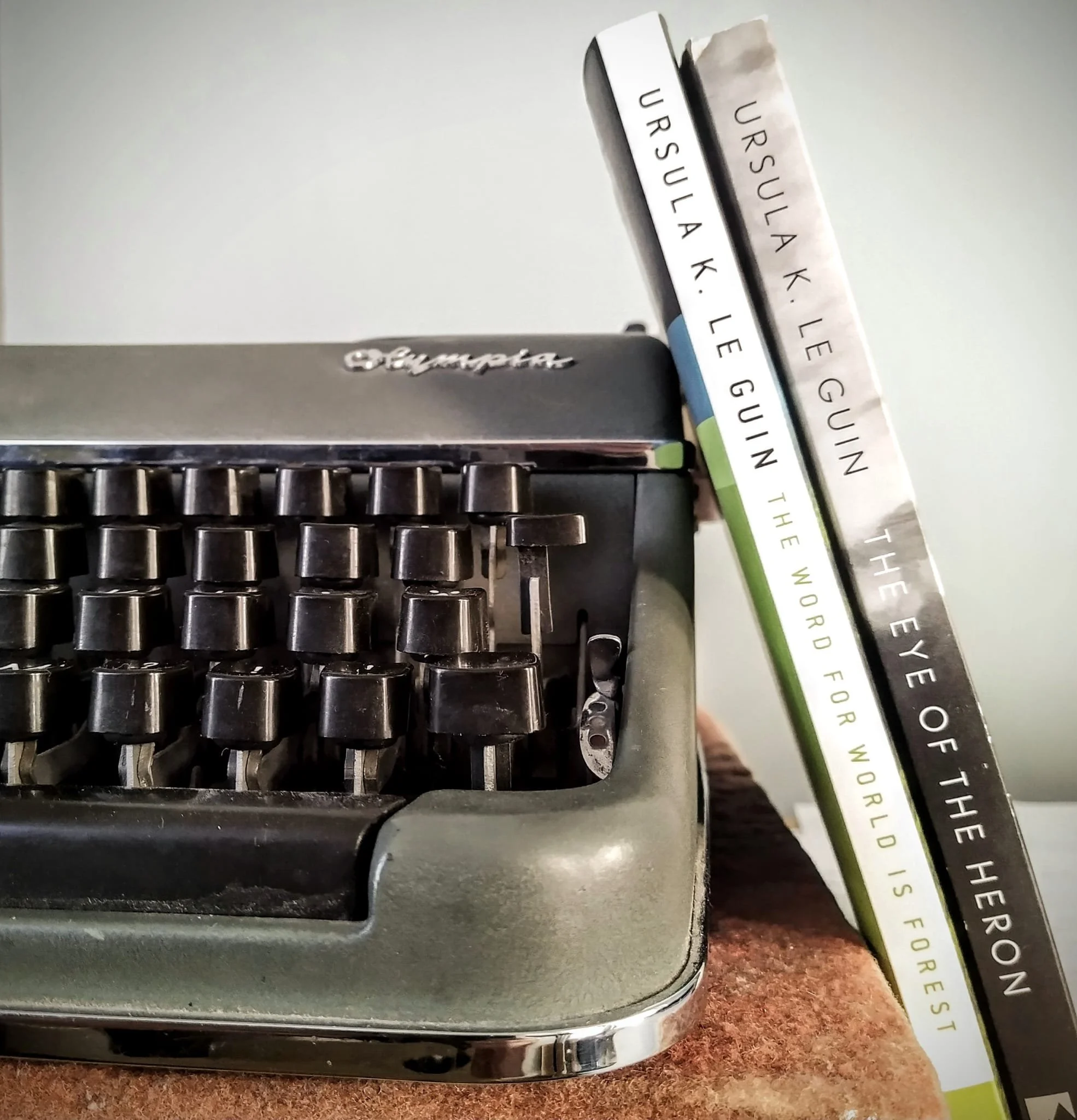
Insights from Ursula Le Guin
Ursula K. Le Guin’s shorter insights to story craft are now available on her website.
They come from what her site calls an “informal workshop” answering questions posed by readers in 2015.
The first one addresses an article she read about breaking rules in writing – Show, don’t tell. Write about what you know. Sympathetic characters.
Read More
Images in Motion
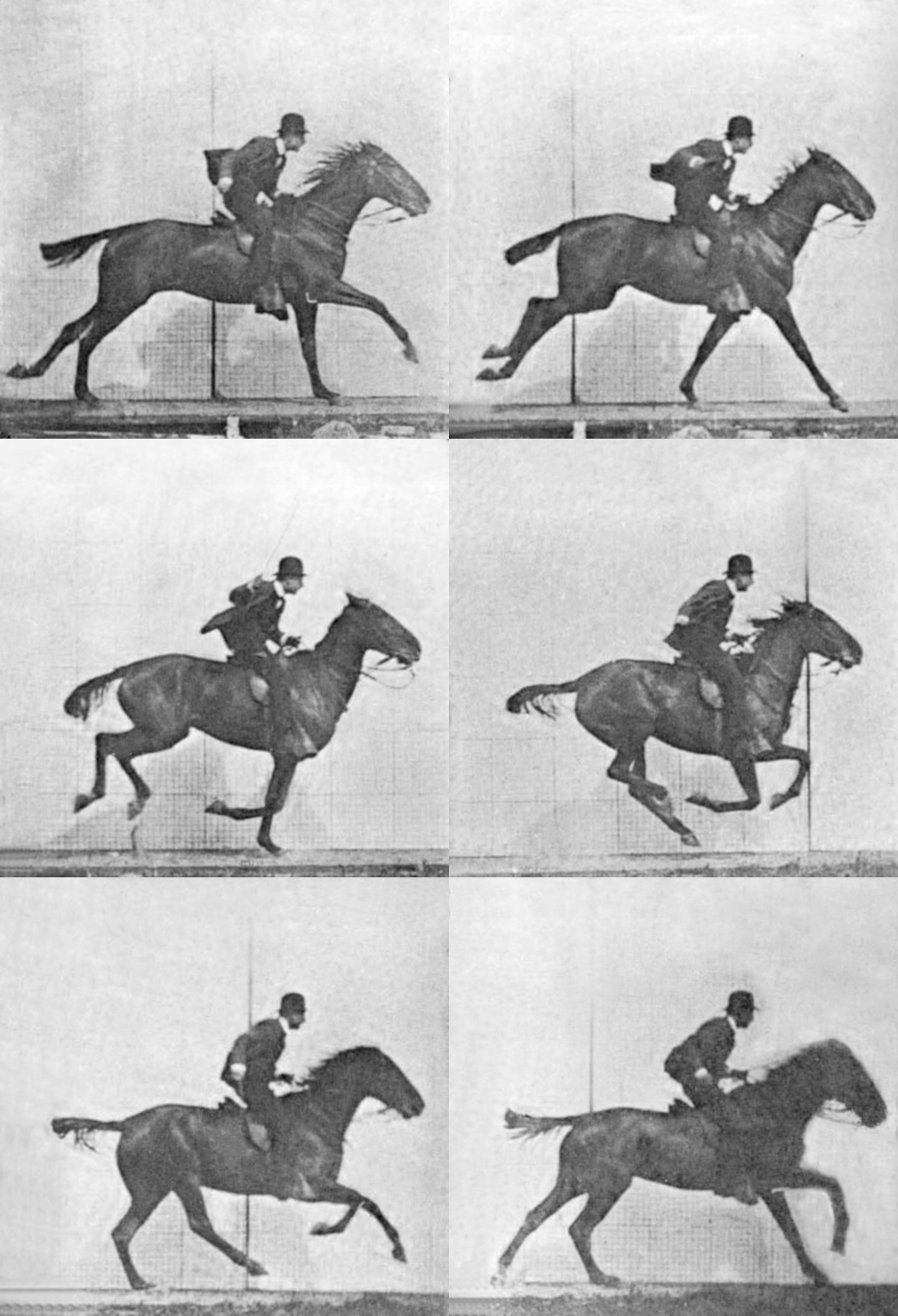
We’ve seen the old zoetropes that put pictures in motion. Perhaps we’ve even made flipbooks when we were at school. The picture changes a little and the motion unfolds. Even as we watch the leaf fall, the dancer move, the horse gallop… we know that it is just small individual images moving fast to make it look like movement.
Read More
Power of Collaboration
When you find the right collaborator then your creative process gains fertility. There are new ideas coming in. New energy. Other people are better at some part of the process. And a truly wonderful collaboration shares a combined understanding of the work.
Read More
Finding Your Own Road
All roads might lead to Rome, but you still have to find the road that works for you. There are many different ways to write and find your way through your story. But what works for someone else doesn't mean it's the way for you.
Read More
Playing Inspiration
My main gripe with films about artists is how it’s shown that they come up with the work. Often the films disregards the process and show the work as coming down all at once. Appearing from the ether fully formed.
This cheapens the work of the artist.
Read More
More Courage
Trusting the writing the process and following it where it goes takes strength and dedication. Finishing the song, putting it down to the record, then turning to the next tune is a cycle that meant they learnt so much in their process, and were open to new ideas to weave into the songs the next time around.
Read More
The Value of Finishing
Beyond the obvious point of having a finished work in your hands, there is so much value in seeing through a project to the completion. Similar to how trees need the resistance of the wind to develop their strength, completing a project gives you the strength to grow. The strength to stand.
Read More
Evoking the Muse and Watering Your Guitar
Frank Zappa had his guitarists to leave a little water out for their instrument if they weren’t going to play it for a few days. It was a way to honour the muse. To keep the communication open. To accept that there was something that was not so easily defined about the creative process.
Read More